As Parramatta swelters under the increasingly intense summer heat of 2025, a fully functional air conditioning system isn't just a luxury; it's an absolute necessity for comfort, productivity, and even health. When your AC unit falters, the immediate priority is finding a quick and effective repair solution. This comprehensive guide provides Parramatta residents with valuable insights into common AC problems, actionable DIY checks, and crucial advice on when to call in the professionals for expert air conditioning repair. We'll also delve into the importance of regular air conditioner maintenance to prevent future breakdowns and ensure your home or business stays cool all season long.
Understanding Common AC Problems in 2025
Modern air conditioning systems, while incredibly efficient, are complex machines. Understanding the typical issues that can arise helps in quickly diagnosing the problem. In 2025, with advancements in smart home integration and stricter energy efficiency standards, diagnostic tools are more sophisticated, but the underlying mechanical and electrical principles remain. Here are some of the most frequent culprits behind AC malfunctions:
Thermostat Malfunctions
Your thermostat is the brain of your AC system. If it's not working correctly, your entire unit can seem faulty. In 2025, many homes in Parramatta feature smart thermostats, offering greater control and energy savings. However, these can still suffer from simple issues like dead batteries, incorrect programming (e.g., set to 'heat' instead of 'cool' or an inappropriate temperature), or a loose wire connection. Sometimes, a full system reset can resolve minor glitches.
Refrigerant Leaks
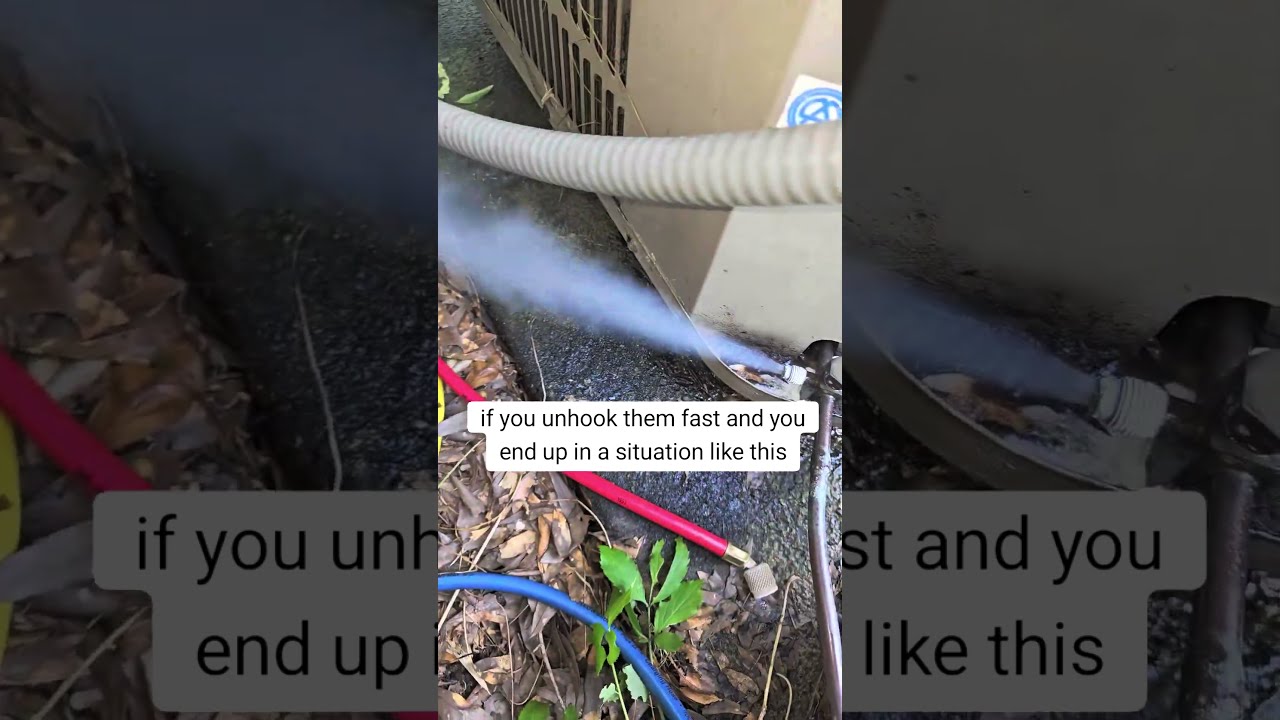
Refrigerant is the chemical compound that absorbs heat from your indoor air and releases it outside. A leak in the refrigerant lines means your system can't effectively cool your home. You might notice your AC running constantly but failing to cool adequately, or you might hear a hissing sound. Addressing refrigerant leaks is critical, not just for performance but also due to environmental regulations. Refrigerants like R410A are still common, but discussions around further phase-downs for high Global Warming Potential (GWP) refrigerants are ongoing, with 2026 and beyond likely to see more widespread adoption of lower GWP alternatives like R32, especially for new air conditioning installation projects.
Electrical Issues
The electrical components of your AC unit are vital for its operation. Common electrical problems include tripped circuit breakers, faulty wiring, or a malfunctioning capacitor. A capacitor stores electrical energy and provides a power boost to start the compressor and fan motors. If it fails, your unit might hum but not start, or the outdoor fan might not spin. These issues are often accompanied by the unit failing to turn on, or repeatedly turning off and on.
Drainage Problems
As your AC cools the air, it also dehumidifies it, producing condensate (water). This water collects in a drain pan and flows out through a condensate drain line. Over time, algae, mould, or debris can clog this line, causing water to back up, overflow the pan, and potentially leak into your home. This can lead to water damage, mould growth, and even cause the unit to shut down as a safety measure.
Airflow Obstructions
Restricted airflow significantly reduces your AC's efficiency and cooling capacity. The most common culprits are dirty air filters, blocked return air vents, or obstructed outdoor condenser coils. If your unit isn't getting enough air or struggling to dissipate heat, it will work harder, consume more energy, and cool less effectively.
DIY Quick Checks and Solutions for Parramatta Residents
Before calling for professional help, there are several simple checks and solutions Parramatta homeowners can perform. These steps can often resolve minor issues, saving you time and money. Remember, always prioritise safety when dealing with electrical appliances.
Check Your Thermostat Settings: Ensure your thermostat is set to 'cool' and the desired temperature is lower than the current room temperature. If it's a smart thermostat, check for any schedules that might be overriding your settings. If battery-powered, replace the batteries, even if they seem okay. Inspect and Replace Air Filters: A dirty air filter is one of the most common reasons for poor AC performance. Locate your return air vent (usually a large grille on a wall or ceiling) or the filter slot on your indoor unit. Remove the old filter and check its condition. If it's clogged with dust and debris, replace it with a clean one. Most filters should be checked monthly and replaced every 1-3 months, especially during peak summer or if you have pets. Clear Condensate Drain Lines: If you notice water leaking from your indoor unit or pooling near it, the condensate drain line might be clogged. You can often clear minor clogs by carefully pouring a cup of distilled vinegar (not bleach) down the access port of the drain line (usually a PVC pipe near your indoor unit) to kill algae. For more stubborn clogs, a wet/dry vacuum can sometimes be used to suction out the blockage from the outdoor end of the drain line. Reset Your Circuit Breaker: If your AC unit isn't turning on at all, check your home's electrical panel. Locate the breaker labelled for your air conditioner and see if it has tripped (it will be in the 'off' or middle position). Flip it firmly to the 'off' position, wait a minute, then flip it back to 'on'. If it trips again immediately, there's a more serious electrical issue that requires professional attention. Ensure Vents are Unobstructed: Walk around your home and ensure all supply and return air vents are open and not blocked by furniture, curtains, or rugs. Also, check the outdoor condenser unit to ensure it's free of debris like leaves, grass clippings, or overgrown shrubs. Clear at least 2 feet of space around the unit for optimal airflow.When to Call for Professional Air Conditioning Repair in Parramatta
While DIY checks can resolve many minor issues, some problems demand the expertise of a qualified air con installer and repair technician. Attempting complex repairs yourself can be dangerous and may void your warranty. Knowing when to call in the professionals saves time, prevents further damage, and ensures the job is done safely and correctly.
Persistent Cooling Issues
If your AC unit continues to blow warm air, struggles to reach the set temperature, or runs constantly without adequate cooling even after you've performed all the DIY checks, it's a clear sign that a professional diagnosis is needed. This could indicate a refrigerant leak, a failing compressor, or other significant mechanical problems.
Unusual Noises or Odors
Your AC unit should operate with a relatively consistent, low hum. Any sudden grinding, banging, squealing, hissing, or bubbling noises are red flags indicating potential mechanical failures, such as a failing motor bearing, a loose fan blade, or a refrigerant leak. Similarly, burning smells (often indicating an electrical issue), musty odours (suggesting mould or mildew), or chemical smells (possible refrigerant leak) should prompt an immediate call to a professional.
Refrigerant Concerns
Dealing with refrigerants requires specialised training and licensing (such as an ARC https://garrettopss029.bearsfanteamshop.com/parramatta-air-conditioning-repair-checklist-before-summer-hits Tick in Australia). If you suspect a refrigerant leak, do not attempt to top up the refrigerant yourself. Only certified technicians are legally permitted and equipped to handle, recover, and recharge refrigerants safely and in compliance with environmental regulations. An air conditioning service professional will not only fix the leak but also ensure the system has the correct refrigerant charge.
Electrical System Failures
Beyond a simple tripped breaker, any persistent electrical issues, such as flickering lights when the AC turns on, burning smells, or repeated breaker trips, indicate a potentially dangerous problem. Faulty wiring, a failing capacitor, or issues with the contactor require a skilled electrician or HVAC technician to diagnose and repair safely.
Water Leaks Beyond the Drain Pan
While a clogged condensate line can often be a DIY fix, if you're experiencing significant water leaks from your indoor unit, or if the leak persists after clearing the drain, it could point to a more serious issue like a cracked drain pan, a frozen evaporator coil (often due to low airflow or refrigerant issues), or a faulty pump. These situations require prompt professional attention to prevent extensive water damage and mould growth.
The Importance of Regular Air Conditioner Maintenance in 2025
Preventative air conditioner maintenance is the most effective strategy for avoiding sudden breakdowns during Parramatta's scorching summers. Think of it like servicing your car; regular check-ups keep it running efficiently and extend its lifespan. In 2025, with increasing energy costs and a focus on sustainability, proactive maintenance is more important than ever.
Benefits of Scheduled Maintenance
- Improved Efficiency and Lower Energy Bills: A well-maintained AC unit runs more efficiently, consuming less electricity to cool your home, directly translating to lower monthly energy bills. Extended Lifespan of the Unit: Regular servicing identifies and addresses minor issues before they escalate into major, costly repairs, significantly prolonging the life of your air conditioning system. Better Indoor Air Quality: Cleaning coils and filters removes dust, allergens, and mould spores, contributing to healthier indoor air. Prevents Costly Breakdowns: Technicians can spot potential problems like worn parts or low refrigerant levels during a service, allowing for repairs before a complete system failure. Maintains Warranty Validity: Many manufacturers require proof of annual professional maintenance to keep your warranty valid.
What a Professional Service Includes
A comprehensive air conditioning service typically involves a multi-point inspection and tune-up. This includes cleaning the condenser and evaporator coils, checking refrigerant levels and pressure, inspecting electrical connections and components, lubricating moving parts, clearing the condensate drain line, testing thermostat accuracy, and assessing overall system performance. For Parramatta residents, scheduling this service annually, ideally in late spring before the peak summer heat, is highly recommended.
Choosing the Right Air Con Installer and Repair Service in Parramatta
When your AC needs professional attention, selecting a reliable and reputable local service provider is crucial. For air conditioning installation or urgent air conditioning repair in Parramatta, here's what to look for:
Local Expertise and Reputation
Choose a company with a strong presence and positive reputation within Parramatta and its surrounding suburbs. Local technicians understand the specific climatic challenges and common AC issues faced in the region. Check online reviews, testimonials, and ask for recommendations from neighbours or friends.
Certifications and Licensing
Ensure the technicians are fully licensed, insured, and hold relevant industry certifications, such as the ARC Tick (Australian Refrigeration Council). This verifies their competence, adherence to safety standards, and legal authorisation to handle refrigerants. A reputable air con installer will always be transparent about their qualifications.
Transparent Pricing and Warranties
A trustworthy service provider will offer clear, upfront pricing with no hidden fees. They should provide a detailed quote before any work begins. Inquire about warranties on parts and labour for any repairs or new air conditioning installation. This provides peace of mind and protection for your investment.
Emergency Services
Summer breakdowns rarely happen at convenient times. Look for a company that offers emergency air conditioning repair services, ensuring you're not left without cooling during extreme heatwaves.
Looking Ahead: AC Technology and Regulations Beyond 2025
The HVAC industry is continuously evolving, driven by technological innovation and environmental mandates. For Parramatta homes and businesses, understanding these future trends can help in making informed decisions about new air conditioning installation and long-term maintenance strategies.
Smart AC Systems and Predictive Maintenance
Beyond 2025, we anticipate even greater integration of Artificial Intelligence (AI) and machine learning into AC systems. Smart ACs will not only offer remote control and advanced scheduling but also predictive maintenance capabilities. These systems will monitor their own performance, detect anomalies, and even alert homeowners or service providers to potential issues before they lead to a breakdown. This proactive approach will revolutionise air conditioner maintenance, making it more efficient and less reactive.
Refrigerant Transitions and Sustainability
The global effort to reduce greenhouse gas emissions will continue to shape refrigerant use. While R32 is a current standard for many new installations, research and development into ultra-low GWP refrigerants, including natural alternatives, will intensify towards 2026 and beyond. This ongoing transition will influence the design of new units and the training required for air conditioning repair technicians, ensuring sustainable and environmentally responsible cooling solutions for the future.
Staying informed about these developments will be key for Parramatta residents looking to invest in future-proof and eco-friendly cooling solutions for their properties.
The intense summer heat in Parramatta makes a reliable air conditioning system non-negotiable. By understanding common issues, performing simple DIY checks, and knowing when to call on certified professionals for expert air conditioning repair or scheduled air conditioner maintenance, you can ensure your home or business remains a cool sanctuary. Don't let a breakdown disrupt your comfort; act proactively. If you're experiencing AC troubles or simply want to schedule preventative air conditioning service, contact a trusted local expert in Parramatta today to keep your system running efficiently all summer long.